Night Routines

Building Evening Sequences That Support Your Goals

Explore educational content on designing night routines rooted in observation, flexibility, and gradual adjustment — not rigid rules, clinical protocols, or health treatment.

Educational Disclaimer: Night routine content on this page is for general lifestyle organization only. It does not address sleep disorders, insomnia, or any medical condition. Consult a licensed healthcare provider for health concerns.
Illustration of a journal and checklist representing evening routine planning and reflection

Why Evening Sequences Matter for Daily Rhythm

The evening hours before bedtime represent a practical window for intentional time management. A thoughtfully arranged night routine creates predictable personal cues for winding down — without requiring dramatic lifestyle changes.

Our educational approach treats routines as living documents. You start with a baseline assessment, implement small modifications, and review your schedule weekly. This iterative cycle respects the reality that life circumstances shift and routines must adapt accordingly.

Essential Components of a Night Routine

Temporal Anchors

Fixed start times for key activities create reliability. Choose two or three non-negotiable anchors — such as beginning your wind-down at 8:30 PM — and build other elements around them flexibly.

Light Management

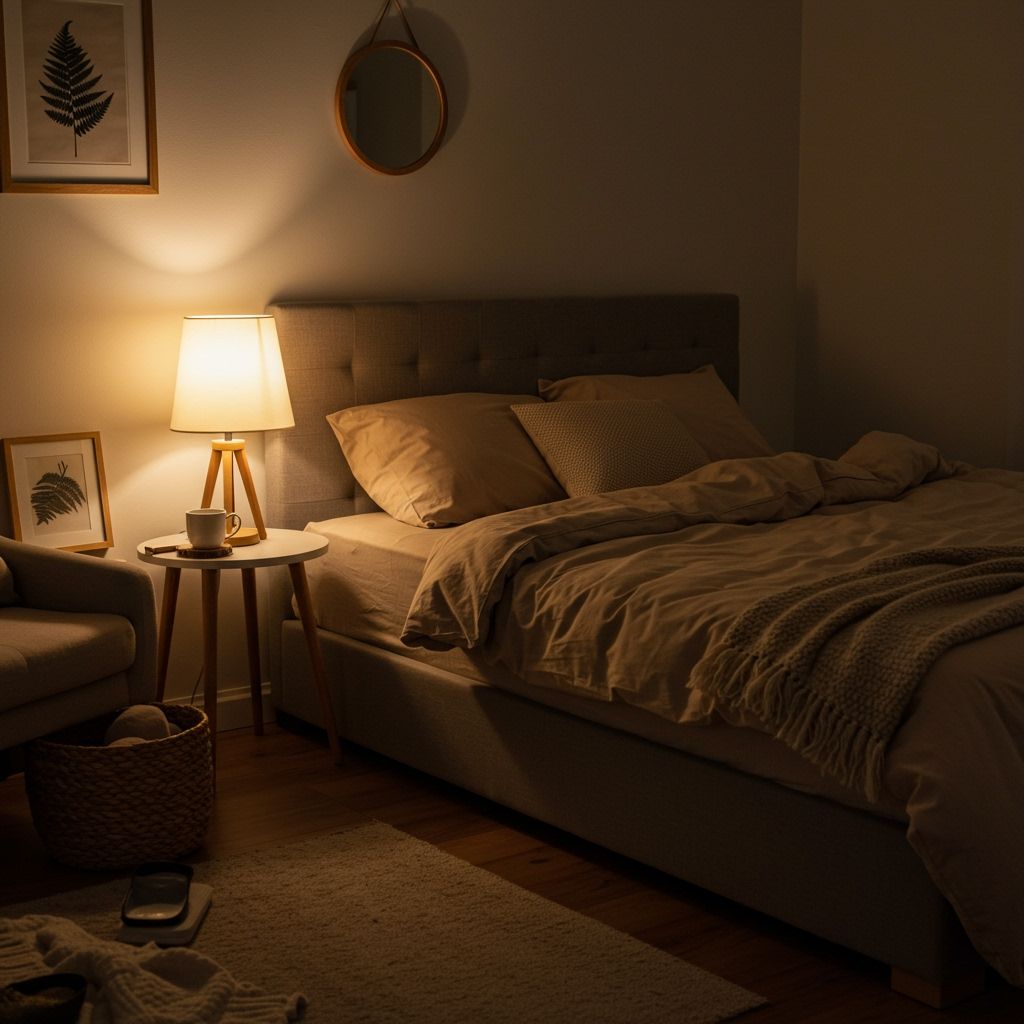
Gradually reducing bright overhead lighting can help mark the transition to quieter evening activities. Use dimmer switches, warm-toned lamps, or scheduled smart lighting — as personal preference, not as medical advice.

Digital Boundaries

Define when screens step aside. Charging devices outside the bedroom removes temptation and creates a physical separation cue.

Environment Tuning

Bedroom temperature, noise levels, and layout can affect personal comfort during evening hours. Document your preferences and adjust seasonally. Small changes — an extra blanket, adjusted fan setting, or tidying surfaces — may improve your comfort without major investment.

Closing Ritual

A brief, repeatable action marks the end of your waking day — gratitude noting, stretching, or reading one chapter.

Four Starting Templates You Can Customize

These templates serve as educational starting points. Modify duration, order, and activities to fit your lifestyle.

The Minimalist

Three activities maximum: hygiene, five minutes of reading, lights out. Ideal for those who prefer simplicity and dislike lengthy sequences.

The Reflective

Includes journaling, tomorrow planning, and a quiet reflection pause. Suited for people who process the day verbally or in writing before ending their evening.

The Active Wind-Down

Incorporates light movement — walking or stretching — before settling into quieter activities. Helpful for those who prefer activity before quiet evening tasks.

The Social Connector

Builds in dedicated conversation time with household members, followed by individual quiet activities. Balances connection with personal decompression.

Patterns That Undermine Routine Consistency

  • Overloading the sequence: Adding too many steps creates friction. Start with three core activities and expand only after two weeks of consistency.
  • Ignoring weekday vs. weekend differences: Rigid sameness across all days often fails. Design a core routine with optional extensions for flexible evenings.
  • Skipping the review cycle: Without weekly reflection, routines stagnate. Spend ten minutes each Sunday noting what worked and what felt forced.
  • Comparing timelines with others: Your progress depends on your schedule, preferences, and starting point. Focus on your own observations rather than external benchmarks.

The Evening Reflection Journal

Included in our educational product line, this journal provides structured prompts for recording energy levels, activity satisfaction, and environmental notes each evening.

Record

Log start and end times for each routine activity along with a simple energy rating from one to five.

Review

At week's end, identify patterns — which activities you found useful versus which felt obligatory.

Adjust

Modify one element based on your review. Change duration, swap an activity, or shift timing by fifteen minutes.

Repeat

Continue the cycle. Sustainable routines emerge through repeated small refinements, not single dramatic overhauls.

21-Day Night Routine Challenge

Our guided program walks you through three weeks of incremental routine building. Each day introduces one concept — from anchor timing to environment audits — with optional exercises and reflection questions.

Participation is self-paced. There are no rankings, competitive elements, or promised outcomes. The program exists purely as an educational framework for exploring evening structure.

Inquire About Programs

Related Educational Topics

Evening Energy Patterns

Understanding whether you naturally prefer earlier or later evening activity helps you place routine anchors at realistic times — as personal preference, not biological diagnosis.

Seasonal Adjustments

Daylight changes throughout the year affect when wind-down feels natural. Learn to shift routine timing gradually with the seasons.

Travel Routine Portability

Compact versions of your core routine elements that travel well — maintaining familiarity without requiring your full home setup.

Explore Optimization Guides

Questions About Night Routine Planning?

Our team provides general informational guidance. Contact us to learn more about consulting sessions and educational materials.

Send a Message